Retiring in Querétaro: A Complete Guide


Querétaro doesn't always make the first page of "best places to retire in Mexico" lists the way San Miguel de Allende or Lake Chapala do — but for a growing number of retirees, that's actually part of the appeal. Here's what retiring here really looks like.
Why retirees are choosing Querétaro
Querétaro offers something a little different from Mexico's more traditional retirement destinations: a real, modern, functioning city rather than a town built primarily around tourism and retirees. That means better infrastructure, more modern healthcare facilities, year-round mild climate, and a lower cost of living — without giving up colonial charm, since Querétaro's own historic center is a UNESCO World Heritage site in its own right.
The visa path for retirees
Most retirees qualify for residency through the financial solvency requirements of either temporary or permanent residency — demonstrating sufficient savings, pension income, or investments rather than through employment. Permanent residency is often the more natural fit for retirees who know they're not planning to work locally and want to stop dealing with renewals altogether, though the specific requirements and how they're evaluated can vary depending on which consulate processes your application.
Cost of living for retirees
A retired couple living comfortably, without cutting corners, generally spends somewhere in the range of $35,000–$45,000 pesos a month, covering housing, food, healthcare, and day-to-day expenses — though this swings significantly based on neighborhood choice and lifestyle. Retirees focused on stretching a fixed income further often do well in areas like Corregidora or El Marqués, which offer meaningfully lower housing costs without sacrificing access to quality healthcare and amenities.
Healthcare considerations specific to retirees
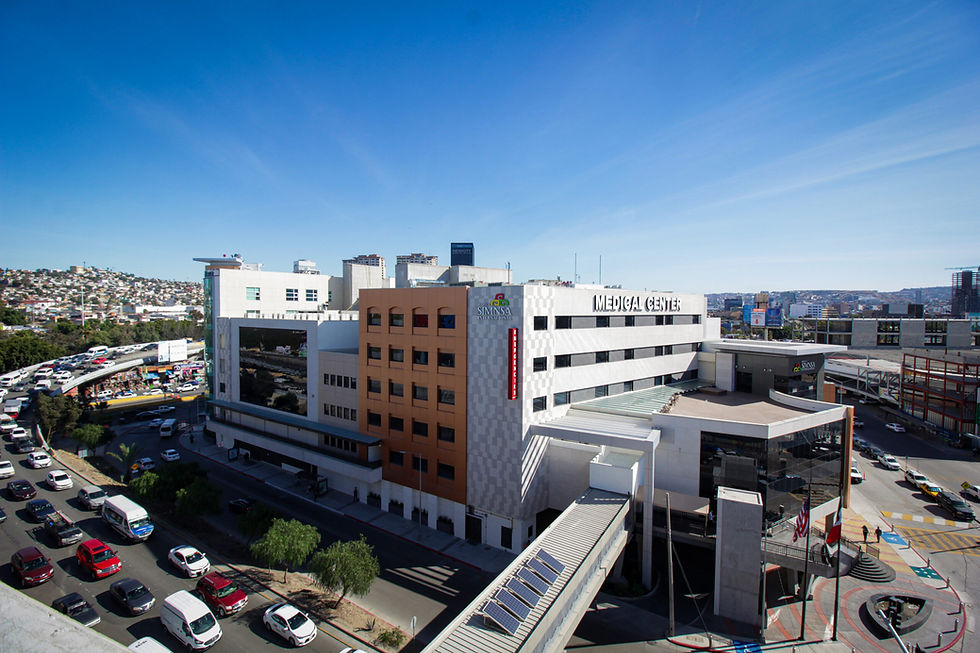
This is often the single biggest factor in a retiree's decision. Querétaro has a strong private healthcare sector, and costs — even paid out-of-pocket — are typically a fraction of equivalent care in the US. That said, age and any pre-existing conditions affect both the cost and availability of private insurance, so this is worth researching specifically for your situation well before the move, not as an afterthought once you've arrived.
Where retirees tend to settle
Unlike younger professionals who often prioritize proximity to work, retirees have more flexibility to choose based on lifestyle alone:
Juriquilla and Zibatá — popular for their quieter, more residential, gated-community feel, with good access to modern healthcare facilities and shopping.
Centro Histórico — a strong fit for retirees who want walkability, culture, and to be in the middle of daily life rather than a quieter residential area.
Corregidora and El Marqués — for retirees prioritizing a lower cost of living above proximity to the city center.
Building a social life in retirement
Querétaro's international retiree community is smaller and newer than San Miguel's well-established expat scene, which means it takes a bit more initiative to build a social circle — but it also means less of a "retirement bubble" feel, with more day-to-day interaction with the local community and the city's own growing professional class. Groups, local events, and community organizations exist and are growing, but expect to look for them a little more actively than you might in a more retiree-saturated destination.
Common mistakes retirees make
Choosing a city based on an online list rather than a personal visit. What reads well in a retirement blog doesn't always match what daily life actually feels like for you specifically.
Underestimating healthcare research. Assuming "healthcare is good in Mexico" without checking what that means for your specific age, conditions, and the hospitals actually near where you'll live.
Not planning for the long game on residency. Converting from temporary to permanent residency, or applying directly for permanent status, has implications worth understanding upfront rather than reconsidering later.
Underestimating how much more social effort it takes here than in a bigger retiree hub. Not a dealbreaker, just worth knowing going in.
Thinking about retiring in Querétaro?
Every retiree's situation is different — your health needs, your budget, and the kind of daily life you want all shape which neighborhood and which visa path actually make sense. We help retirees get real answers specific to their situation, not a generic checklist.
[Schedule your free consultation →]


Comments